The Front Gate Camera
A quiet morning spirals toward dread as a zombie outbreak bleeds into daylight, while a lone narrator watches routines fracture through a trusted security camera.
A quiet morning spirals toward dread as a zombie outbreak bleeds into daylight, while a lone narrator watches routines fracture through a trusted security camera. Morning found me halfway through the coffee ritual when the light touched the kitchen floor with a pale, almost clinical precision. The day sounded ordinary from the outside - a soft hum of distant engines, the radio murmuring weather, the neighbor's rooster rehearsing quiet noises. I live in a town that pretends to be asleep at eight and wakes only when the sun injures the horizon with slices of yellow. I kept my voice low when I spoke to the cat, as if the animal could tell the difference between an ordinary morning and the
Audio plays in the player below. Scroll to read the full transcript while you listen.
Rate this story
Hover a star to rate this story
About this story
A quiet morning spirals toward dread as a zombie outbreak bleeds into daylight, while a lone narrator watches routines fracture through a trusted security camera.
A quiet morning spirals toward dread as a zombie outbreak bleeds into daylight, while a lone narrator watches routines fracture through a trusted security camera. Morning found me halfway through the coffee ritual when the light touched the kitchen floor with a pale, almost clinical precision. The day sounded ordinary from the outside - a soft hum of distant engines, the radio murmuring weather, the neighbor's rooster rehearsing quiet noises. I live in a town that pretends to be asleep at eight and wakes only when the sun injures the horizon with slices of yellow. I kept my voice low when I spoke to the cat, as if the animal could tell the difference between an ordinary morning and the
Transcript
Full text of the narration. Selecting text does not affect playback.
Morning found me halfway through the coffee ritual when the light touched the kitchen floor with a pale, almost clinical precision. The day sounded ordinary from the outside - a soft hum of distant engines, the radio murmuring weather, the neighbor's rooster rehearsing quiet noises. I live in a town that pretends to be asleep at eight and wakes only when the sun injures the horizon with slices of yellow. I kept my voice low when I spoke to the cat, as if the animal could tell the difference between an ordinary morning and the kind that would not end well.
I moved from the mug to the window and looked out toward the street. The sidewalks wore a dusting of pollen that glittered in the morning light. A mailbox lay open on the curb as if someone had reached in and forgotten to close it, a small rebellion against the normal order. The houses across the street wore the same neat helmets of routine as always - attached shutters, well watered lawns, the occasional pitched voice of a child calling for a dog - but something was listening in the day that did not belong to us.
On the table next to the kettle sat the small box that controlled the gate to the courtyard behind my home. I had installed cameras after a string of porch thefts, though I never trusted the way the world lied to itself when it thought you were not looking. The front gate camera, as I called it in the old voice of the days before the outbreak, still blinked with a patient red eye when it caught movement.
I checked the display and the little icons for visitors flickered to life as if someone was about to walk in. The camera checker, a soft voice that sounded more machine than memory, announced something I had learned to dread. front gate camera flagged friendly faces. The words drifted across the panel like a cautious confession. It was not a welcome message, not exactly; it was a catalog of who belonged in my life and who did not, and in a way it calmed me to see the faces of almost everyone I still recognized.
The day began to move in a way that betrayed its own logic. sirens went silent. The soundscape I counted on to telegraph emergencies - the wail of at least one siren in every hour - fell away like a dropped coin. It was as if the city decided to take a long, quiet breath and forgot to exhale. In the quiet I could hear the inside tremble. A neighbor cleared their throat in the next room and the dog's tail wagged with a nervous rhythm that did not match the wag of the day.
I stepped away from the window and moved to the sink, rinsing the mug with a practiced rhythm. The kettle hissed, a soft apology for waking someone who did not want to wake. The world outside seemed to press against the glass with a pale, pale hands. And then a sound from the street, a weather-beaten group of people marching, didn't startle me because I had learned to expect misery wearing the shape of normalcy.
Across the street, the bakery's window glowed like a warm eye. A line of people stood in the windowless half-light, not moving, watching the dawn. They stood still until dark. The phrase echoed in my head with a clang that did not fit the quiet morning. They stood still until dark, as if daylight itself was an invitation they chose not to accept. For a moment I thought of my own reflection in the glass and decided to pretend I had not seen them. I turned away.
By noon peeled away the first humidity, I found a note tucked under the door mat: a single line in careful handwriting, a name I did not recognize, and a date that was years past. It was a message from someone who had never been here, a memory dressed as a note. The note did not threaten, it did not beg. It asked me to keep listening to the day because something was listening back. I crumpled it and tossed it into the garbage, but the ink refused to stay there, seeping through the fibers of the page to become a dull weather around the edges of my thoughts.
I pulled the blinds down at the living room window to examine the street again. The light spilled across the carpet in a fat stripe, making the room feel large and dangerous at the same time. In the light I noticed the mail still in the box, the paper uncollected, the same routine that had always comforted me. The town seemed to breathe slower as if it was wary of waking the day too soon. My phone vibrated with a text from a friend asking if I was safe. We had not spoken in weeks; the words were stiff, apologetic, and precise.
During the afternoon I walked to the market, careful to avoid the main street where the world would surprise you with a memory you were sure you had forgotten. The bakery door was open, but no sound came from inside except the soft hum of a cooler. The shelves remained intact as if the place had decided to stand still and wait for the day to decide what it would be. A young cashier watched me with unblinking eyes, and I wished for a normal price list, a normal greeting, something that would anchor the morning to a time I could locate again.
On the way back I passed the tall clock tower that dominated the square. It ticked in a measured way, a calm drumbeat that something in me wanted to fight. The clock hands hung from the face like a lazy insect; I could swear the time was not moving at all, that the hands were pretending to be ordinary while something else moved beneath them, something careful and patient. The town's power flickered, not with a flash but with a slow exhale, and the generator in the mill near the river gave a sigh that shook the windows in their frames.
Back home I found a second note wedged under the door. This one smelled of rain and metal, as if someone had walked through a storm only to leave footprints on my welcome mat. It was not threatening either, but it carried a sentence that pressed into my skull: You are not alone, but you are not safe. I set the note on the table and sat with the kettle again, letting the steam fog the glass of the window and blur the street into half memory.
As evening pressed in, I opened the door to listen for something I could not name. The air tasted of sea salt and fear, a combination that reminded me of childhood summers that ended badly. The houses across the street were quiet, their windows like blank eyes. And then the sound that does not belong rose from the harbor side, a hum and a murmur, a chorus of voices that rose and fell as if someone turned a dial and forgot to switch it off. It did not feel like a celebration, more like a warning. I did not go out again, not from the door at least.
I sat in the dark with the lamp off and let the world move around me in a way it never had before. The door to the courtyard remained closed, the cameras blinking in their routine. The only thing that moved with a real will was the sun, which climbed higher and higher until the room grew pale and then full of gold. I remembered a phrase my grandmother used to say when the morning felt too heavy: If you listen long enough, even the light will tell you what to fear. I listened, and the light was telling me to wait.
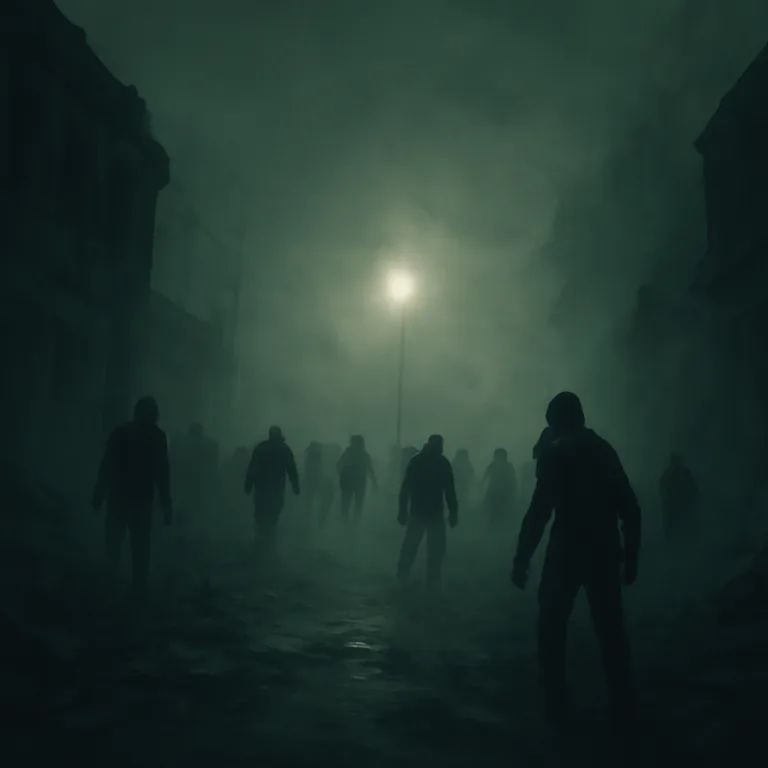
Then a figure appeared at the edge of the street, a silhouette that resembled a neighbor I had known since grade school. It moved, or at least it attempted to, through the edges of memory; it stepped forward and then froze, as if listening to something beyond the sky. It did not wave, did not call, did not smile. It only stood there, the shape of a person, until the day drifted to its own resting moment, and the figure seemed to dissolve into the pale afternoon. In that moment I could not tell if what I saw was a mistake of light or a real visitor who would speak to me only with a look.
By dusk the quiet had grown huge, the kind of quiet that makes you hear your own bones. The front gate camera blinked once, then twice, and the little red eye seemed to stare at me with a patient mercy that felt almost cruel. A voice inside the panel offered a harmless reminder to lock the door and turn on the porch light. I obeyed, though I did not know why. The light cast long shadows across the room, shapes that looked like animals that had forgotten how to run.
Night would have been a relief if not for the memory of all the little errors in the day. The way the kettle clicked for a second after it had finished boiling, the way the milk clinged to the side of the glass as if trying to cling to a memory it could not hold on to. The day had crept into every corner of the house, and when I looked at the hallway mirror I did not recognize the person staring back at me. It wore a calm, almost friendly face, the kind you see on an advertisement before you realize the product wants something else from you.
Before bed I pressed my palm to the glass of the window in the kitchen and watched the street one last time. The houses breathed with measured pace, the trees like sentinels. The note on the table lay there, waiting. In the corner of the room a clock ticked in a rhythm that did not belong to any clock I had seen before. I did not speak aloud to hush the fear, I spoke aloud to listen to my own voice that could remind me of a life before the outbreak. I told myself that dawn would come again the next day, that routine could be rebuilt, that the world would reassert itself and we would pretend everything was normal.
Then the light in the window flickered and the room expanded with something cold and new.
Audio
The Front Gate Camera
ReflectStart here