Is the Wendigo Real?
The wendigo is a real figure in Algonquian folklore, but the antlered monster of modern horror is a later invention.
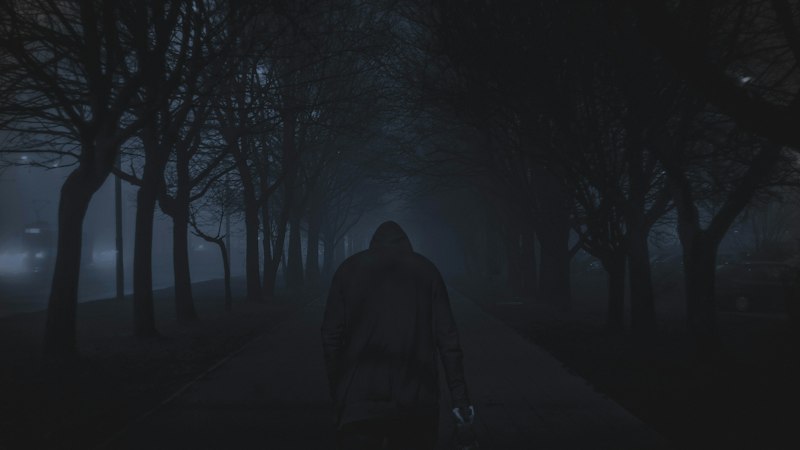
What is a wendigo?
In the traditions of Algonquian-speaking peoples, including Ojibwe, Cree, and Innu communities, a wendigo is a malevolent being associated with winter, hunger, greed, and the breaking of social obligations. It's often described as a gaunt, skeletal giant with an insatiable appetite, sometimes connected to cannibalism during starvation or to possession. The word and the stories belong to living cultural traditions, not to a fictional universe. That matters when asking whether the wendigo is real: the belief is real, and the figure has a long documented history in oral tradition, but that isn't the same as evidence of a physical creature.
Where did the antlered version come from?
Traditional accounts don't typically describe a wendigo with antlers. The towering, deer-headed figure familiar from modern horror films, games, and illustrations is largely a twentieth-century development, shaped by writers and artists working with older ideas about wilderness and monstrosity. Once the antlered image became dominant in popular culture, it began to look as though it had always been part of the folklore. It hadn't. This is a common pattern: modern horror borrows a traditional name and image, then feeds its own details back into how the original story is remembered.
Is there any physical evidence for a wendigo?
No. No remains, tracks, photographs, or biological samples have ever been verified as belonging to a wendigo. Reports of strange figures in northern forests are comparable to other regional cryptid sightings, anecdotal and difficult to check, but they don't establish a distinct creature. Researchers who study the folklore treat wendigo stories as part of a cultural and moral tradition rather than as zoological reports. When a modern sighting is described as a wendigo, it usually says more about the influence of horror movies than about an actual animal in the woods.
What is 'wendigo psychosis'?
Some anthropologists and clinicians have described a culture-bound syndrome in which a person believes they are becoming a wendigo, sometimes with a desire to eat human flesh, in the context of extreme hunger or social breakdown. Reports appear in historical and ethnographic literature, particularly from northern communities under severe stress. Its status as a distinct diagnosis is disputed: some researchers argue the cases have been overgeneralised or shaped by the expectations of the people recording them. The debate is a reminder that a belief can be genuinely held and consequential without pointing to a literal monster.
Why is the wendigo such a lasting figure in horror?
The traditional figure carries themes that horror storytelling uses extremely well: isolation, cold, hunger, and the fear of becoming something that can't rejoin the community. The modern version adds a monstrous body, which makes it usable in visual media. That combination, a psychological warning with a physical shape, explains why the wendigo appears in novels, films, games, and audio horror. A story set in a frozen forest can build dread from the environment alone, without needing an elaborate plot or a long list of rules for the characters to break.
How is a wendigo different from a skinwalker?
They come from different traditions and mean different things. Skinwalker belongs to Navajo stories about a person who deliberately uses harmful magic and takes animal forms; it's a figure surrounded by serious cultural restrictions. A wendigo belongs to Algonquian traditions and is associated with hunger, greed, and the loss of humanity, often through circumstances rather than choice. Popular culture frequently mixes the two into a generic shapeshifter category, but they're not interchangeable. Readers who care about accuracy should be cautious about any page that uses the names as synonyms.
How should modern readers approach wendigo stories?
With the same care they'd bring to any tradition that's still lived rather than merely archived. That means recognising the folklore's original context, noting where horror fiction has changed it, and avoiding the assumption that a modern monster design represents an authentic belief. It's perfectly possible to enjoy a wendigo story as fiction while being clear about the difference. The more accurate the framing, the better the horror works: the original idea, a human being consumed by appetite and cut off from their community, is genuinely unsettling without any antlers added.
Why do 'is it real' searches about the wendigo keep appearing?
Because the answer has two layers. If someone asks whether the stories are part of real folklore, the answer is yes, with deep roots and ongoing cultural meaning. If they ask whether a giant antlered creature walks the woods, there's no evidence. Searchers often arrive from a film or game and want to know which parts came from tradition. That curiosity is healthy, and it's why a careful answer separates the folklore, the disputed psychiatric concept, and the modern horror invention rather than collapsing all three into a simple yes or no.
Frequently asked questions
Is the wendigo real?
The wendigo is a real figure in Algonquian folklore, but there's no evidence of a physical creature matching the modern monster.
Did traditional wendigos have antlers?
Generally no. The antlered design is a modern horror invention that later became associated with the name.
What is wendigo psychosis?
A disputed culture-bound syndrome in which someone believes they are becoming a wendigo, often discussed in the context of starvation and social breakdown.
Is a wendigo the same as a skinwalker?
No. They come from different traditions and describe different kinds of beings; popular media often conflates them.
Are wendigo sightings documented?
Anecdotal reports exist, but no sighting has produced physical evidence verifying a creature.
Listen to free narrated creepypasta
Night Tales publishes original narrated creepypasta and horror audio stories, free, no account required, five to fifteen minutes per episode.