Is Stolen Tongues Real?
No. Stolen Tongues is a serialized r/nosleep horror story later published as a novel, not a documented case.
What is Stolen Tongues about?
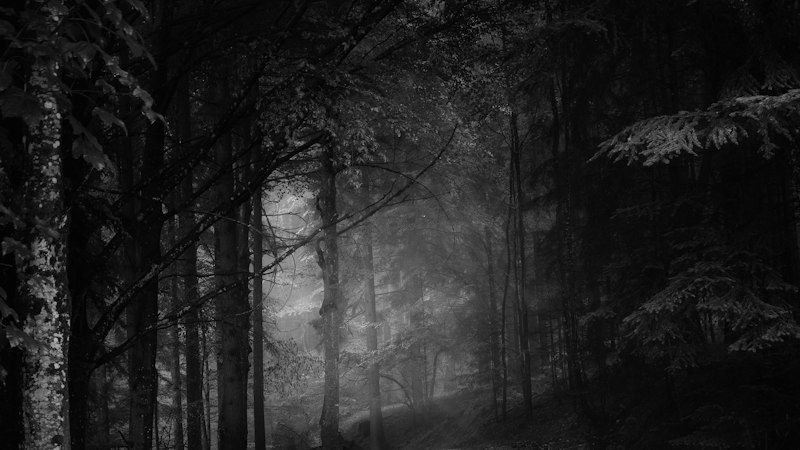
Stolen Tongues follows a couple staying in a remote mountain cabin, where the wife becomes targeted by a supernatural entity able to mimic familiar voices to manipulate and isolate its victims, pieced together through posts documenting the couple's escalating ordeal.
Who wrote it?
Stolen Tongues was written by Felix Blackwell, originally serialized on r/nosleep before being expanded and published as a standalone novel.
Is there a real cabin or case behind it?
No. No confirmed real location, police record, or independent witness account backs the story; Blackwell has discussed the project publicly as a work of fiction rather than a true account.
Why does the "voice-mimicking entity" premise in Stolen Tongues feel especially unsettling?
An entity that can convincingly reproduce a trusted, familiar voice attacks a specific kind of safety most horror doesn't directly target, the basic trust placed in recognizing someone by the sound of their voice alone, which is a sense people rely on constantly without consciously thinking about its potential to be deceived. That premise also connects to a recurring folklore motif found well outside creepypasta specifically, stories across many cultures describe entities or spirits capable of mimicking human voices to lure victims, giving Stolen Tongues a foundation in genuinely old storytelling fears even though the specific cabin setting and characters are entirely Blackwell's invention.
How did Stolen Tongues's publication path compare to Penpal's?
Like Dathan Auerbach's Penpal, Stolen Tongues began as free, serialized Reddit posts before being developed into a commercially published novel, following a path that has become an increasingly recognized route from online horror writing into traditional publishing. Blackwell has continued actively publishing further horror fiction since, building a career more directly connected to genre publishing than some other r/nosleep authors who've had a single successful breakout story without a comparable sustained body of subsequent published work.
How do isolated-setting stories build dread?
Remote cabins and mountain retreats remove the usual safeguards: no neighbors, unreliable phone service, and long distances to help. That isolation makes every small anomaly harder to dismiss, since there's nobody to confirm what a character thinks they've heard or seen. It also puts pressure on relationships, because the people in the story only have each other to rely on, and a threat that targets one of them can turn trust into suspicion. Stolen Tongues uses those classic ingredients, then adds the unusual wrinkle of an entity that exploits voices, so the very sounds a character relies on for reassurance become the danger.
Is voice mimicry real?
Mimicry is real in nature and technology, which helps explain why the premise feels plausible. Some animals, such as the lyrebird of Australia, can imitate a wide range of sounds, and hunters have long used calls to imitate prey. More recently, voice-cloning software has been used in scams that imitate a relative's voice to request money. None of this resembles a supernatural entity, but it shows that hearing a familiar voice isn't a guarantee of identity. The story takes that real vulnerability and pushes it into horror, which is part of what gives it an unsettling edge.
What does a novel publication tell you about a creepypasta's reality?
When a story is published as a commercial novel under the author's name, with a cover, an ISBN, and often a statement about fiction, it is explicitly presented as a work of fiction. For Stolen Tongues, the author has discussed it as a created story, and the book is sold as horror fiction. That doesn't spoil the experience; many readers enjoy the story more knowing there is a craftsperson behind it. It is also a helpful rule of thumb: if a supposedly real account can be bought in a bookstore as a novel, the "true story" framing was part of the style.
Frequently asked questions
Is Stolen Tongues based on a true story?
No. It's fiction written by Felix Blackwell, following r/nosleep's first-person storytelling convention.
Was Stolen Tongues published as a book?
Yes, it was expanded into a published novel after its original r/nosleep run.
Why is a voice-mimicking entity such an effective horror premise?
It attacks the basic trust people place in recognizing someone by voice alone, and connects to older folklore across many cultures describing entities capable of mimicking human voices to lure victims.
Has Felix Blackwell published other horror fiction since Stolen Tongues?
Yes. He has continued actively publishing further horror fiction, building a sustained career in genre publishing beyond this single breakout story.
Listen to free narrated creepypasta
Night Tales publishes original narrated creepypasta and horror audio stories, free, no account required, five to fifteen minutes per episode.