Are the Search and Rescue Woods Stories Real?
No. The Search and Rescue Woods stories are fictional ranger-log-style creepypasta, not documented rescue reports.
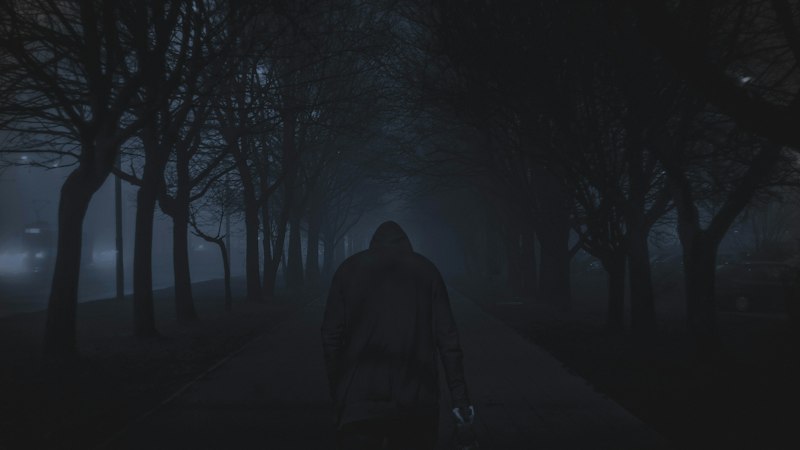
What do the stories describe?
A former search-and-rescue worker describes strange unwritten rules for mountain calls: staircases that appear in the forest, missing hikers who return changed, and a rule never to answer voices heard after dark.
Who wrote it?
The stories are credited to author K. L. Kessler and circulated online around 2015, using a "rules" format that popularized the ranger-log style of serialized wilderness horror.
Is there a real search-and-rescue agency or documented case behind it?
No. No verified agency record or incident report matches the stories; the ranger-log format is a recognized creepypasta device used to imply a much larger hidden world, not an actual documentation style used by real agencies.
Why does the ranger-log format make these stories feel authentic?
Real search-and-rescue accounts are procedural: they record conditions, decisions, and outcomes in the flat language of an incident report. The Search and Rescue Woods stories imitate that voice, then slip impossible details into it as though they were just another field observation. That combination is unusually effective because readers already trust the tone of official documentation, and because a narrator speaking as a seasoned professional sounds like someone reporting what happened rather than inventing a scare. The unwritten rules in particular borrow authority from genuine safety lore, real rescue work does have hard-won rules about night operations and voices in the wilderness, so the invented rules sit inside a frame readers recognize as practical rather than supernatural.
How do these stories compare to other 'rules' creepypastas?
The Search and Rescue Woods stories belong to a broad internet-horror tradition built around lists of prohibitions: follow the rules and survive, break one and find out what the rules were protecting you from. That structure appears in everything from Backrooms-style level guides to ritual stories and found-footage lore, and it works for the same reason in each case: it turns the reader into a participant who has to imagine themselves following the instructions. What distinguishes the ranger-log version is its professional frame. The rules are presented as hard-earned knowledge from a working rescuer rather than as a mysterious document, which grounds the dread in a recognizable job before the stories escalate into the impossible.
How did ranger-log horror become its own subgenre?
Document-style horror has always borrowed the look of working records: incident reports, case files, containment entries, and field notes. Ranger-log stories are the wilderness branch of that tradition, and they became recognizable in the mid-2010s when writers began building serialized horror around the voice of a seasoned rescuer or park employee. The appeal is easy to see. A professional narrator has a reason to keep meticulous notes and to know things the reader doesn't, which lets a writer introduce impossible details one at a time without anyone in the story reacting as though the world had changed. The Search and Rescue Woods stories are one of the best-known examples of the form, but they're part of a much larger habit of turning official-sounding writing into a horror device.
Are there real 'unwritten rules' in search and rescue?
Real search-and-rescue teams do work from hard-won procedures about night operations, radio discipline, weather, and how to respond when a call goes wrong, and those procedures are passed down informally as much as through manuals. That's exactly why invented rules are so effective here: the fiction copies a structure readers know exists without copying any specific rule that could be checked. Nothing in the Search and Rescue Woods stories matches a documented agency protocol, and the truly strange instructions, staircases in the forest, voices that must not be answered, are horror inventions. If a rule sounds like hard-earned field wisdom but has no source beyond the story itself, it's doing atmosphere work, not describing a real rescue practice.
Why do wilderness stories feel more believable after dark?
Darkness removes the sense of distance and context that makes an unfamiliar place feel manageable. A path you could read in daylight becomes a set of shapes close at hand, and a sound you could place in the open becomes impossible to locate in a forest. Writers use that shift because it's something nearly everyone has experienced on a smaller scale: a yard, a campsite, a walk home that felt different at night. Escalating a familiar discomfort into a genuine threat takes very little extra suggestion. It also explains why these stories translate so well to audio narration, where the listener supplies the unseen space around the voice instead of being shown a set by a camera.
Frequently asked questions
Are the Search and Rescue Woods stories based on real rescue reports?
No verified agency record or incident report supports them.
Who wrote the Search and Rescue Woods stories?
Credited to author K. L. Kessler.
Are the Search and Rescue Woods stories one continuous case?
No. They're a fictional series of separate incidents sharing a setting and narrator voice, not a connected record of real events.
Why does the narrator keep listing rules for mountain calls?
Rules are a core horror device: they imply a hidden danger that someone has already learned to survive, which draws readers into imagining themselves following the same instructions.
Can the Search and Rescue Woods stories be read in any order?
Yes. They're separate fictional incidents linked by setting and narrator voice rather than a single plot that has to be followed from start to finish.
Listen to free narrated creepypasta
Night Tales publishes original narrated creepypasta and horror audio stories, free, no account required, five to fifteen minutes per episode.