Is the Goatman Real?
No verified evidence confirms the Goatman, a half-man, half-goat creature reported mainly around Prince George's County, Maryland since the 1970s.
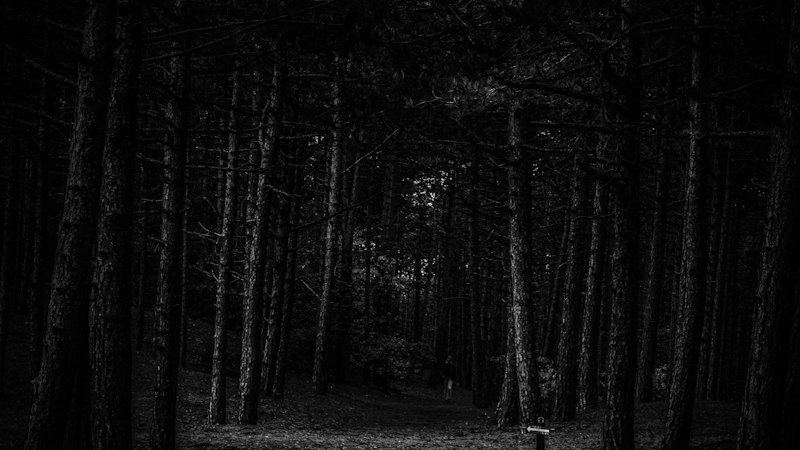
What does the Goatman legend describe?
The Goatman is typically described as a half-man, half-goat creature, sometimes said to wield an axe, reported mainly in wooded and rural areas of Prince George's County, Maryland since at least the 1970s.
Where does the "lab experiment" version of the story come from?
One popular variant claims the Goatman originated from a failed genetic experiment at the nearby Beltsville Agricultural Research Center, a real government facility. No document, employee account, or incident report has ever substantiated any connection between the real facility and the legend.
Has anyone ever confirmed a real sighting?
No. All reported encounters remain anecdotal, with no verified photograph, track, or physical evidence, consistent with how most local cryptid legends in the U.S. are sustained largely through retelling rather than documented proof.
Why did the Goatman legend become specifically associated with a real research facility?
The Beltsville Agricultural Research Center is a genuine, long-operating USDA facility that has historically conducted real livestock and agricultural genetics research, which gave the legend's "failed experiment" variant a plausible-sounding real-world anchor: a facility that actually does study animal genetics, located close enough to the areas where sightings were reported to make the connection feel geographically logical even without any supporting documentation. That pattern, attaching a cryptid origin story to a real nearby institution whose actual function only loosely resembles the claim, recurs across several regional American legends, including some versions of the Melonheads story in other states.
How has the Goatman legend been referenced in regional media and popular culture?
The legend has been covered by regional Maryland news outlets and folklore researchers as a notable piece of Prince George's County local history, and it's frequently included in general surveys of American cryptid folklore alongside the Jersey Devil and Mothman. Unlike some cryptid legends that gained major national film adaptations, the Goatman has remained comparatively regional in its reach, known well within Maryland and surrounding mid-Atlantic states but with less widespread national name recognition than cryptids tied to a major book or film treatment.
Why do local cryptid legends cluster around specific counties?
Cryptid stories need a geography to survive. A creature said to be seen everywhere is too vague to retell, while one attached to a particular county, road, or stretch of woods becomes part of local identity. Prince George's County supplies that anchor for the Goatman: a real place with real wooded areas and a real research facility nearby, all of which make the story easy to situate. Once a legend has a home, residents repeat it as part of local history, and newcomers learn it as a kind of introduction to the area. That process says more about how communities tell stories than about whether anything unusual lives there.
What would count as evidence for the Goatman?
A credible cryptid case would need more than accounts of a strange figure at night. Useful evidence would include clear photographs with a traceable origin, physical traces that can be examined, or independent reports from people who had no contact with one another and no reason to fabricate. The Goatman has none of these. The images circulating online are unverified or borrowed from unrelated sources, and the sightings remain anecdotes collected over decades. That doesn't prove the creature doesn't exist; it means the claim isn't supported. The same standard applies to any local legend: interesting testimony starts an investigation, but it doesn't finish one.
How does the Goatman compare to better-known American cryptids?
Mothman and the Jersey Devil reached national audiences partly through books, films, and festivals that turned regional stories into tourist attractions. The Goatman never got that treatment. It remains a story known mainly in Maryland and nearby states, kept alive by local news coverage and word of mouth rather than a museum or annual event. That difference affects how the legend is told: without a commercial version to standardise it, accounts vary more, and the creature's description shifts between a threatening axe-wielding figure and a shy animal-like presence. Regional legends in this form often feel more authentic precisely because they haven't been polished for an audience.
Frequently asked questions
Is there a real Goatman living in Maryland?
No verified evidence confirms the creature; all accounts remain anecdotal.
Is the Beltsville lab experiment story true?
No documented connection exists between the real Beltsville Agricultural Research Center and the Goatman legend.
Why did the legend attach itself to the Beltsville facility specifically?
Beltsville is a genuine USDA research center that does conduct real livestock genetics research, giving the legend's "failed experiment" claim a geographically plausible-sounding anchor even without supporting documentation.
Is the Goatman legend well known outside Maryland?
It remains comparatively regional, well known within Maryland and nearby mid-Atlantic states but with less national name recognition than cryptids that received major book or film treatments.
Are there any real photos of the Goatman?
No verified photograph exists. Images circulated online are either unverifiable or traceable to unrelated sources.
Listen to free narrated creepypasta
Night Tales publishes original narrated creepypasta and horror audio stories, free, no account required, five to fifteen minutes per episode.