Is Anansi's Goatman Story Real?
No. Anansi's Goatman Story is a first-person camping-trip creepypasta, not a documented encounter.
What does the story describe?
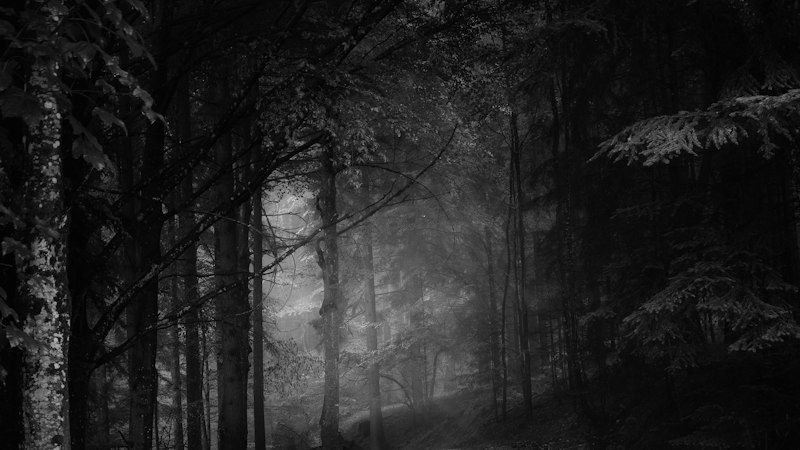
The story follows a group of friends camping in the woods who try to count everyone in their party, only to find the number keeps changing, with something outside their circle beginning to imitate their voices.
Where did it originate?
It circulated online in the early 2010s, credited to a handle, "Anansi," whose real identity and the story's exact original publication have never been confirmed, consistent with how most campfire-style creepypasta spreads once separated from its first posting.
Is there a real documented creature behind it?
No. No verified sighting, photograph, or physical evidence supports the story, following the same pattern as other "Goatman"-adjacent folklore: anecdote and retelling rather than documented proof.
Why does the "shifting headcount" detail make this story so effective?
Losing track of how many people are present in a group is a genuinely common, mundane experience, easy to attribute to simple miscounting under pressure, which gives the story's central unsettling detail a plausible, everyday starting point before it escalates into something impossible. That technique, taking an ordinary, relatable mistake and reframing it as evidence of something sinister, is a recurring device across camping and wilderness-themed creepypasta, since it doesn't require the reader to imagine an unfamiliar scenario, only to reinterpret something they may have actually experienced themselves.
How does this story relate to other voice-mimicking creature legends?
The idea of a creature or entity capable of imitating human voices to lure or confuse victims appears across a wide range of folklore traditions independent of this specific story, including some Appalachian regional legends and broader cryptid lore associated with wooded, rural areas. Anansi's Goatman Story draws on that older, recurring motif rather than inventing it, which is part of why the premise feels immediately familiar to readers already versed in woodland horror even if they've never encountered this specific version before.
Why are camping trips such a natural horror setting?
A camping trip puts a small group in a place where ordinary rules stop applying: no nearby neighbours, no streetlights, and no easy way to leave quickly. Group dynamics add another source of tension, because everyone knows that people behave differently when they're tired, scared, or trying not to look foolish in front of friends. The story uses that familiarity to make its central confusion, who is actually in the group, feel like something that could happen to anyone. Readers don't have to accept a supernatural premise to be drawn in; they only have to remember what it feels like to be outdoors at night and not entirely sure of what they heard.
What does an anonymous credit do to the story's credibility?
The story is credited to a handle rather than a verifiable author, and its original posting has never been reliably identified. That absence cuts both ways. It makes the account feel like something found rather than something published, which supports the first-person illusion, but it also means there's no author to question and no earlier version to compare against. Readers who treat anonymity as a sign of a concealed truth are reading the format backwards: on creepypasta sites, unnamed submissions are common and usually reflect how the story was shared, not an attempt to hide anything. An anonymous story can still be effective horror, but anonymity isn't evidence.
Is this story related to the Maryland Goatman legend?
Despite the shared creature name, the two belong to different traditions. The Maryland Goatman is a regional cryptid legend built around decades of reported sightings and a real research facility. Anansi's Goatman Story is a self-contained fictional camping tale built around a shifting headcount and imitated voices, with no documented sightings and no connection to Prince George's County. Readers often conflate them because both use the word Goatman, but the name travels freely through horror fiction. Treating them as separate is useful: one is a local legend with a geography, the other is a short story that borrows a familiar monster label.
Frequently asked questions
Is Anansi's Goatman Story a true account?
No verified case or documented sighting backs the story.
Who wrote Anansi's Goatman Story?
It's credited to a handle, "Anansi"; the real identity behind it is unconfirmed.
Why is the shifting headcount detail so unsettling?
Losing count of a group is a genuinely common experience, giving the story a plausible starting point before escalating it into something impossible, which makes the premise feel immediately relatable.
Is the voice-mimicking creature idea unique to this story?
No. Creatures or entities that imitate human voices to lure victims appear across various older folklore traditions associated with wooded areas, which this story draws on rather than inventing.
Is Anansi's Goatman Story connected to the Maryland Goatman legend?
No. They share a creature name but come from different traditions: one is a fictional camping story, the other a regional cryptid legend tied to Maryland.
Listen to free narrated creepypasta
Night Tales publishes original narrated creepypasta and horror audio stories, free, no account required, five to fifteen minutes per episode.